Check Valves: Function, Applications, and Selection Considerations
A check valve is a one-way valve designed to prevent backflow in piping systems. It permits fluid to move in a single direction and automatically closes when the flow reverses. By preventing reverse flow, check valves help protect pumps, pipelines, and other system components from damage. Widely used in water and wastewater applications, they play a critical role in maintaining system reliability and efficiency.
What Is a Check Valve?
A check valve is installed within a pipeline to ensure fluid flows in only one direction. It operates automatically, opening when flow moves in the intended direction and closing when reverse flow occurs. Check valves are commonly used to prevent contamination in potable water systems, protect equipment from water hammer and pressure surges, and avoid unwanted air entry or vacuum conditions within the pipeline network.
Where Are Check Valves Used?
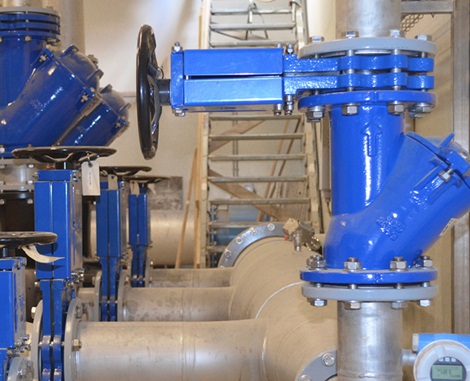
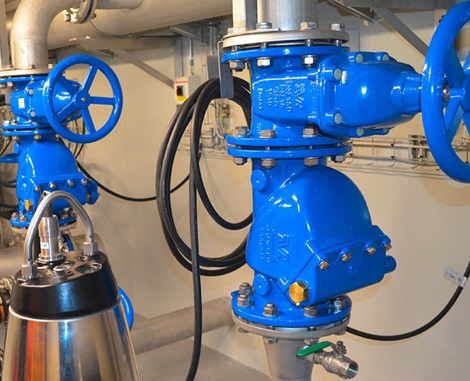
Check valves are used across a wide range of industries and applications. One of the most common installations is on the discharge side of pumps, where they prevent fluid from flowing back into the pump and piping system. In water supply networks, centrifugal pumps rely on check valves to maintain the water column within the pipeline, as these pumps are not self-priming.
They are also extensively used in HVAC (Heating, Ventilation, and Air Conditioning) systems. In large buildings, where chilled water or other coolants are circulated across multiple levels, check valves ensure that the fluid continues flowing in the correct direction. This prevents reverse flow, helps maintain system efficiency, and protects equipment from potential damage caused by backflow.
Considerations When Selecting a Check Valve
Selecting the most suitable check valve requires a careful assessment of system requirements, operational conditions, and overall lifecycle costs. The objective is to achieve an optimal balance between cost efficiency and minimal pressure loss. However, increased system protection often comes with higher pressure losses, making it essential to evaluate the trade-offs involved.
Factors such as the likelihood of water hammer, acceptable pressure drop levels, system performance requirements, and the cost implications of additional safety margins should all be considered. Because every application is unique, check valve selection should be based on a comprehensive analysis of the specific operating environment and protection needs.
Types of Check Valves
A variety of check valve designs are available for water and wastewater applications. While their operating mechanisms differ, they all serve the same fundamental purpose: preventing reverse flow within the system.
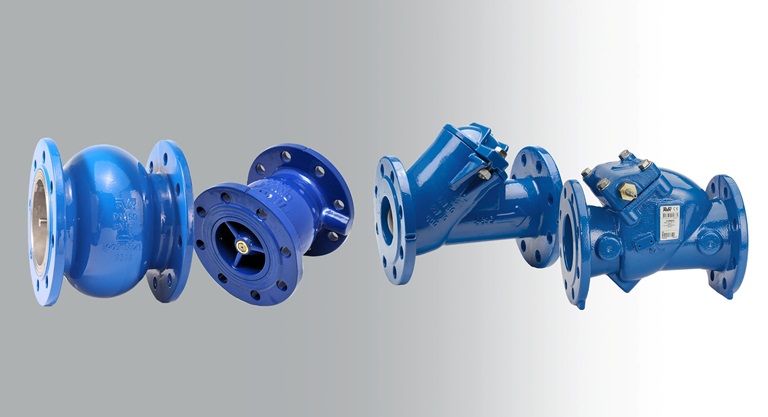
Common types include swing check valves, ball check valves, nozzle check valves, and silent check valves. Among these, the most widely used in water and wastewater systems are:
Swing Check Valves
Swing check valves feature a disc mounted on a hinge or shaft. When fluid flows in the intended direction, the disc swings away from the seat, allowing unrestricted flow. Once the flow stops or reverses, the disc swings back into position against the seat, preventing backflow. The closing performance of a swing check valve depends largely on the disc weight and the characteristics of the returning flow.
Ball Check Valves
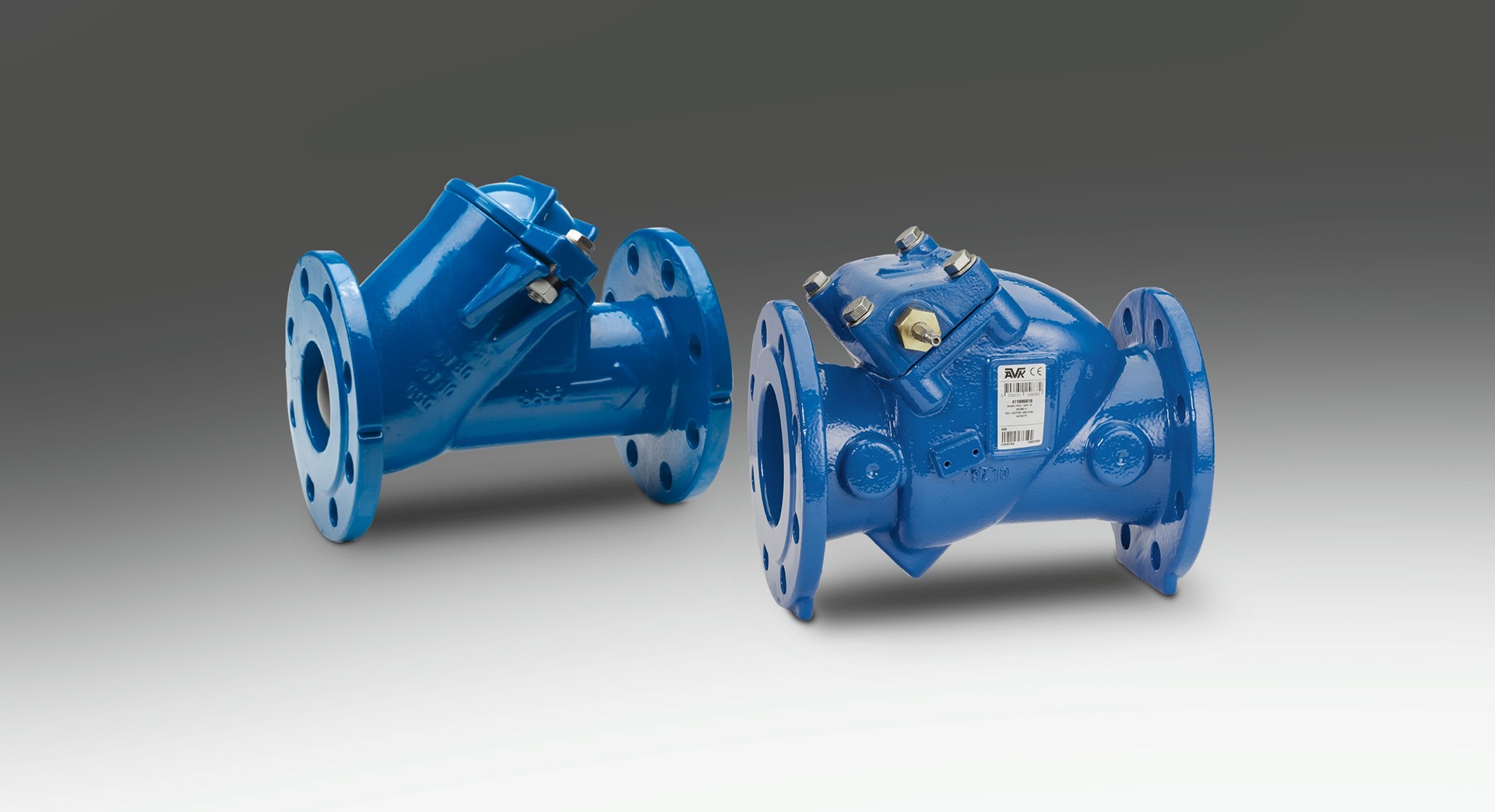
Ball check valves operate using a ball that moves freely within the valve body. During forward flow, the ball is lifted from its seat, allowing fluid to pass through. When flow reverses, the ball is guided back into the seat by the valve's specially designed chamber, creating a tight seal that prevents backflow.
Water Hammer and Pressure Surges
What Is Water Hammer?
Water hammer is a hydraulic phenomenon that occurs when the velocity of fluid within a pipeline changes suddenly, typically due to rapid valve closure or an abrupt interruption of flow. This sudden change generates a pressure wave that travels through the pipeline system.
As the shock wave moves along the pipe, it can create significant pressure fluctuations, potentially damaging pipes, valves, pumps, and other equipment. Water hammer is often accompanied by a loud banging or hammering sound, caused by the pipework expanding and contracting under the pressure surge.
Why Pressure Surges Occur in Pipelines
Pressure surges commonly occur when a pump shuts down unexpectedly or a valve closes too quickly. Although fluid flow has stopped at one point, the moving water continues to carry momentum, creating areas of high pressure and low pressure within the pipeline.
The resulting pressure imbalance causes shock waves to travel throughout the system until the excess energy dissipates and pressure conditions return to normal. While these surges may last only a short time, they can significantly increase pipeline pressure, sometimes reaching levels many times greater than normal operating conditions.
Such extreme pressure fluctuations can lead to pipe cracking, burst pipelines, cavitation, vacuum-induced implosion, and damage to critical equipment. In addition to repair costs and operational disruptions, severe pressure surges can create safety hazards. Even smaller, recurring surges can gradually weaken system components over time, eventually leading to fatigue-related failures.