How AVK Positioner technology transforms reservoir valve control
United Utilities faced a well‑known operational challenge: maintaining accurate reservoir water levels without compromising safety or placing unnecessary pressure on staff. Manual valve adjustments were time‑consuming, inconsistent, and restricted opportunities for future automation.
Background
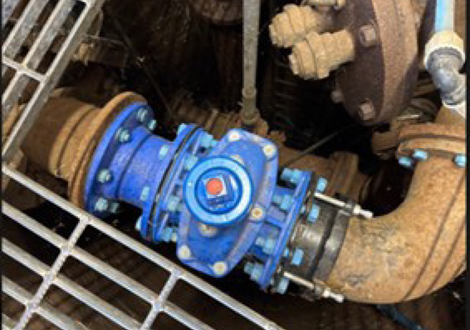
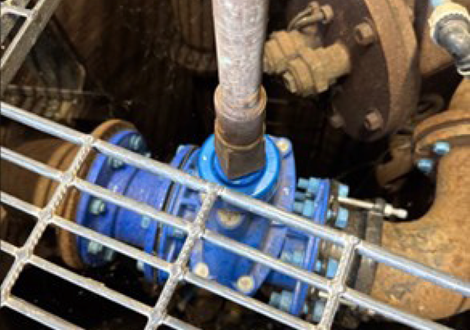
At this reservoir, water levels are controlled using an AVK DN150 gate valve that has traditionally been operated manually. Technicians visit the site two to three times a week to make adjustments. A float valve—commonly used for automatic level control—was intentionally excluded due to health and safety considerations. As a result, the team depends entirely on manual intervention to maintain correct water levels.
Challenge
Variability
Without standardised measurement, manual operation introduced inconsistency. Technicians’ interpretations of a “half‑turn” or “full‑turn” varied, leading to uneven valve performance.
Labour demand
Frequent site visits created a continuous workload and raised concerns about long‑term efficiency.
Future constraints
The lack of automation limited opportunities for optimisation and digital development.
Solution
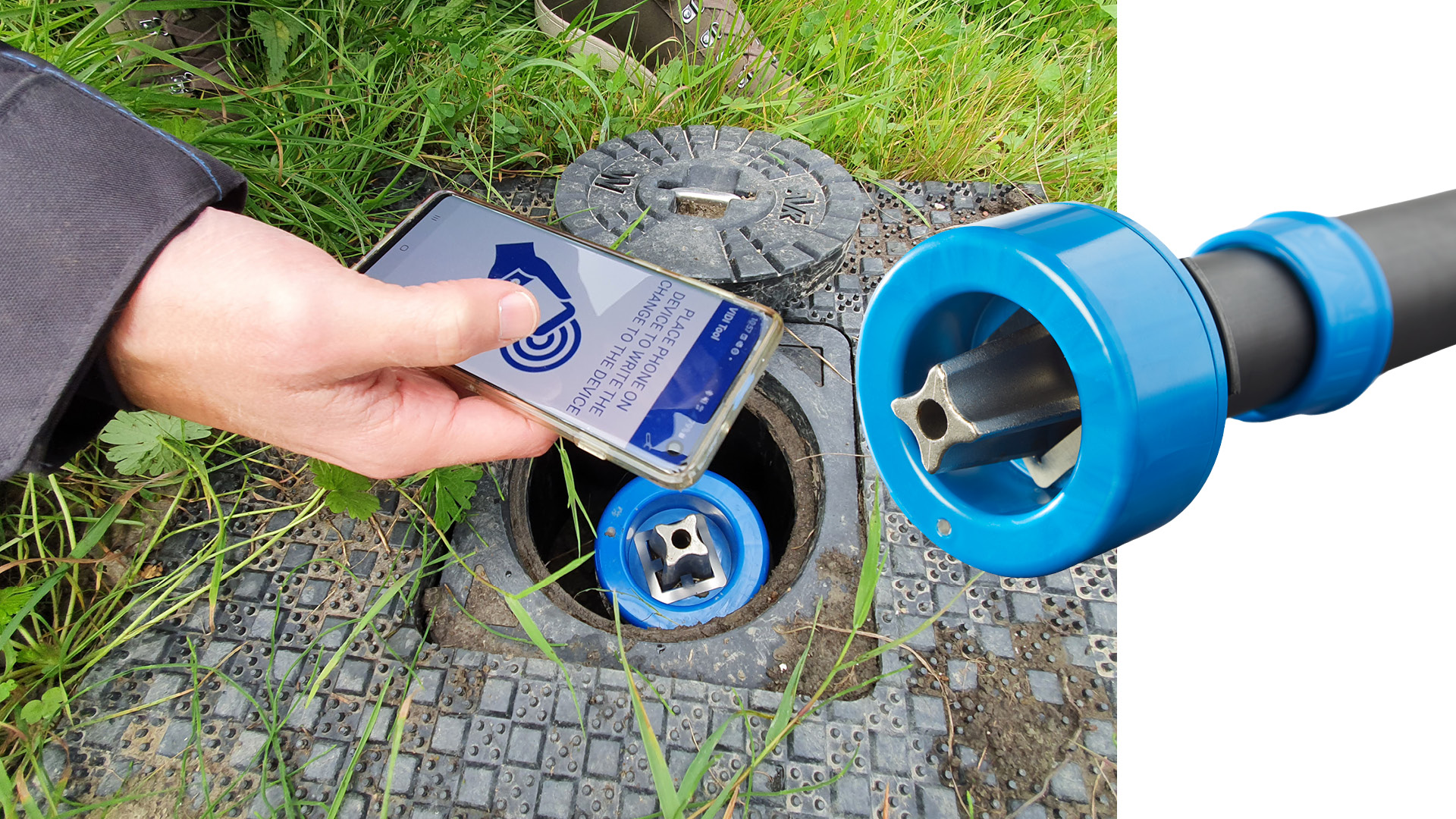
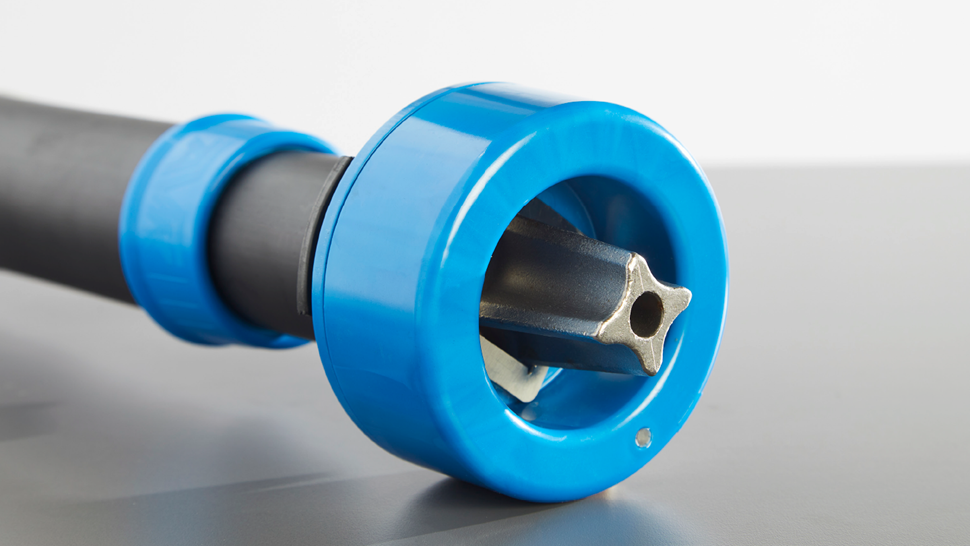
By integrating an AVK Positioner into the existing manual valve, precision and repeatability were immediately improved. The Positioner records every valve turn—along with exact timestamps - providing clear, measurable insight into system behaviour.
These data points enhance current operational control while building a solid foundation for future installation of an automatic actuator. The Positioner ensures consistent daily performance and provides a clear pathway toward automation, improved reliability, and stronger long‑term decision‑making.
Technical Details
- Valve Type: AVK DN150 gate valve
- Control Method: Manual operation supported by Positioner monitoring
- Data Captured: Valve-turn count and time-stamped activity
- Usage Frequency: 2–3 adjustments per week
- Automation Status: No float valve; actuator installation under evaluation
- Key Benefit: Adjustments are accurate and repeatable, regardless of who performs them
Outcome and Impact
- Consistent Operation: Standardised adjustments eliminate user-dependent variation
- Data-Driven Insight: Reliable records inform future automation planning
- Strategic Value: A cost-efficient upgrade today that unlocks tomorrow’s efficiencies
Conclusion
By adding a Positioner to a manually operated valve system, United Utilities has improved operational accuracy while establishing a strong foundation for automation. This approach combines immediate practicality with long‑term strategic benefits, showing how small improvements can deliver significant results.
Innovation
This project demonstrates how incremental innovation can pave the way for larger transformation. Starting with intelligent monitoring ensures infrastructure is ready for a fully automated, smart water management system in the future.
Your gateway to smart water networks
AVK Positioners provide utilities with a smart, wireless method for tracking valve activity across their networks. Using NB‑IoT or LoRa® to transmit data to cloud platforms or third‑party systems, these battery‑powered devices enable real‑time operational visibility. When combined with other Smart Water sensors, utilities gain end‑to‑end insight into pressure, flow, temperature, and water levels—helping improve performance, extend asset life, and support smarter investment decisions.