In Denmark, legislation limits water loss to a maximum of 10%. Over time, this has helped achieve one of the lowest average water loss rates globally—around 7.8%—positioning Denmark as a leader in water technology and innovative solutions.
The technologies exist – what’s needed is action
With water resources under increasing pressure and populations continuing to grow, improved management is essential. A natural place to begin is by reducing water losses. The revised EU Drinking Water Directive, addressing water loss, drinking water quality, and infrastructure risk assessment, offers optimism that more decision-makers will recognise the benefits of regulation in key areas such as water infrastructure.
Silkeborg Forsyning: a case of network optimisation
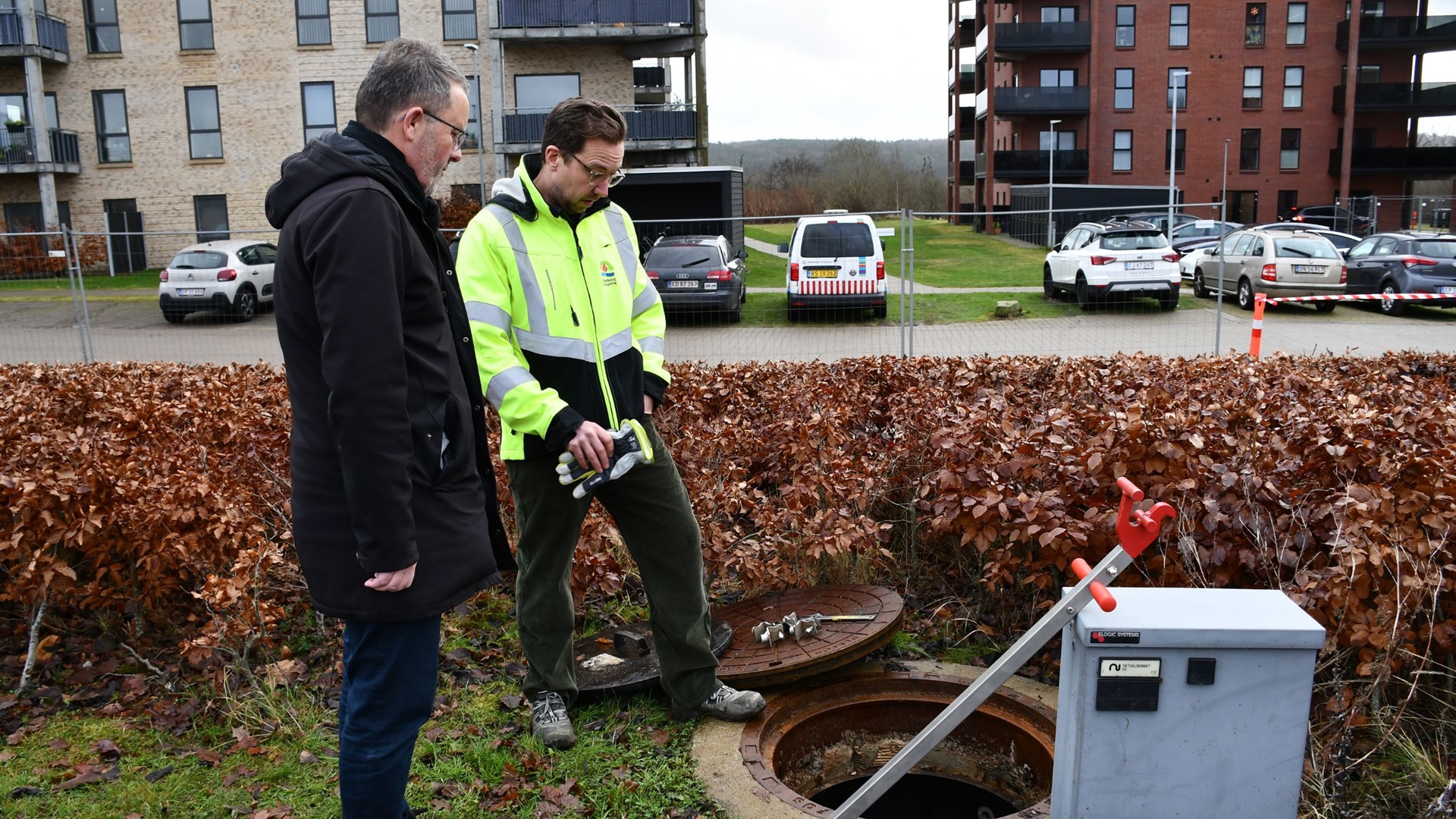
Silkeborg Forsyning, a Danish utility based in Silkeborg, supplies drinking water to 60,000 consumers through a network of 640 kilometres of pipelines and 21,500 meters, producing approximately 3 million cubic metres annually. The utility aimed to optimise its distribution network but lacked real‑time insight into flow and pressure, making leak detection and reduction of Non-Revenue Water (NRW) challenging.
To address this, Silkeborg Forsyning launched a strategic initiative to divide the network into 24 District Metered Areas (DMAs). This approach enables improved control, quicker leak detection, more efficient operations, and a stronger basis for future investments.
After evaluating various technologies for collecting, transmitting, and analysing flow and pressure data, Silkeborg Forsyning selected AVK Smart Water due to its strong technical fit and competitive pricing.
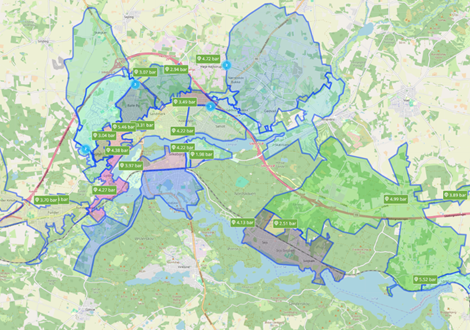
Smart Water monitoring provides insight into which of the 24 DMAs receive the highest night-time flow, helping to identify potential water losses. Alarms triggered by night-flow thresholds alert operators to bursts or irregular changes, delivering valuable input for Silkeborg Forsyning’s remediation strategy and prioritisation of pipe upgrades.
Additionally, the AVK Smart Water system supports daily monitoring of pressure across the distribution network, enabling consumers and plumbers to understand the expected supply pressure at household level.
“We monitor the pressure levels both during the day and across the week, to see if we can regulate it up or down in the different sections, to achieve an energy saving”, says Gert Rasmussen from Silkeborg Forsyning.
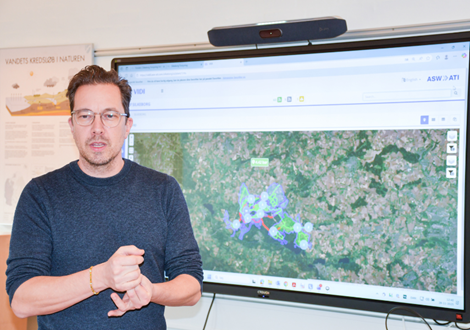
Silkeborg Forsyning also uses the Smart Water system to give contractors and technicians a clearer understanding of how the pipeline network is structured, including transmission lines and individual sections. Various maps have been integrated into the VIDI Cloud platform, improving visualisation and usability.
AVK Smart Water has provided us with several benefits, but if I were to highlight just a few, it would be that we, as a water utility, have gained an almost complete overview of the dynamics of our water networks and its sections. And the more data we log, the easier it becomes for us to detect deviations.”
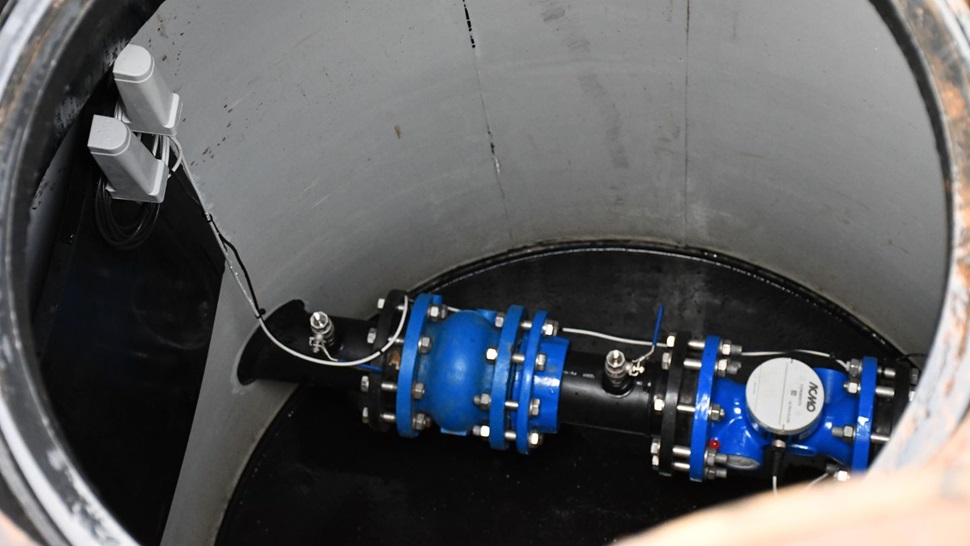
The selected solution includes wireless, battery-powered sensors with reliable data transmission, configurable measurement intervals, alarm functionality, and smooth integration with Silkeborg Forsyning’s SCADA and IT systems.
The utility invested in 33 AVK VIDI Flow transmitters, 33 AVK VIDI flow meters, and 35 AVK VIDI Pressure sensors, along with a VIDI Cloud Basic subscription. The next step is to implement VIDI Cloud Premium with Leak Monitor software, enabling analysis of night flow and pinpointing of leaks within each DMA—further improving network efficiency and supporting more sustainable water management.
Today, we are wasting tomorrow’s water
Water is a limited resource in many regions worldwide. Yet in some countries, between 20% and 50% of treated water is lost before reaching consumers. As a result, up to half of the energy used for water production and distribution is also wasted. If current practices continue, energy use for water management is expected to increase by around 79% by 2040 compared to 2014.
Water loss occurs for many reasons, including leakages, pipe bursts, inadequate management, illegal connections, and unauthorised consumption. At the same time, a wide range of solutions is available to address these challenges.